
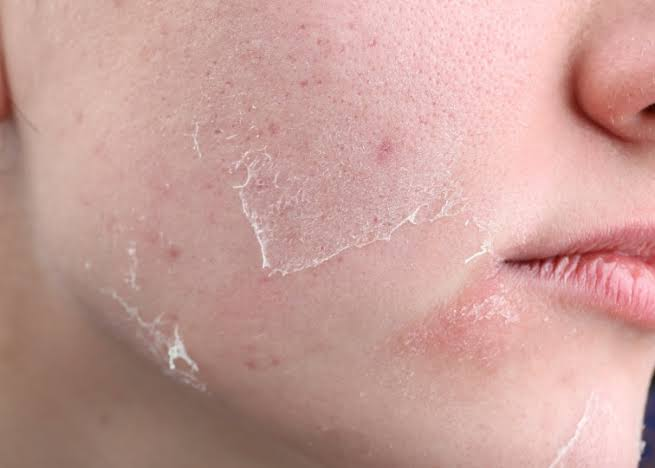
As winter arrives, plummeting outdoor temperatures and the constant hum of indoor heating systems combine to create a harsh environment for human skin. The dramatic drop in humidity strips moisture from the atmosphere, accelerating transepidermal water loss and compromising the delicate epidermal lipid barrier. Without adequate protection, skin frequently transitions from comfortably hydrated to tight, flaky, irritated, and rough. Overcoming these seasonal challenges requires more than just applying a heavier lotion at bedtime. A comprehensive winter skincare strategy involves understanding how environmental shifts impact barrier function, adapting daily cleansing and moisturizing habits, incorporating protective measures, and utilizing advanced clinical treatments when basic routines fall short.
The Physiological Impact of Winter Weather on the Skin Barrier
The skin barrier, scientifically known as the stratum corneum, functions as the body’s primary shield against external irritants, pathogens, and moisture loss. Composed of corneocytes embedded in a rich lipid matrix of ceramides, cholesterol, and free fatty acids, this barrier relies on ambient humidity to maintain its structural flexibility. When winter arrives, relative humidity levels both outside and inside buildings drop significantly.
This environmental shift creates a vapor pressure deficit, pulling moisture out of the skin and into the surrounding air at an accelerated rate. As cellular hydration decreases, natural enzyme activity required for normal cell shedding slows down. Consequently, dead skin cells accumulate on the surface, creating a dull texture, accentuating fine lines, and preventing topical products from absorbing effectively. Understanding this physiological mechanism underscores why winter skincare must focus heavily on lipid replenishment and moisture retention rather than superficial hydration alone.
Comparing Winter Skin Protection Methods
Navigating winter skin dryness involves choosing the right combination of protective measures, topical ingredients, and environmental adjustments.
| Protection Strategy | Primary Mechanism | Targeted Issue | Key Benefit |
| Humectant Layering | Draws water molecules into the epidermis | Surface dehydration and tight feeling | Plumps upper skin layers using water-binding agents |
| Lipid Barrier Sealing | Replenishes ceramides and essential fatty acids | Moisture evaporation and flaking | Locks in hydration and reinforces the stratum corneum |
| Indoor Humidification | Adds moisture back into heated air | Environmental drying from central heating | Prevents continuous moisture pull from skin overnight |
| Gentle Cleansing Swaps | Replaces foaming agents with creamy, non-stripping washes | Stripped natural oils and post-wash irritation | Preserves natural protective skin lipids |
Upgrading Cleansing and Bathing Habits
Many people unknowingly exacerbate winter dryness through their daily cleansing routines. Foaming cleansers, antibacterial bar soaps, and hot showers feel comforting on a cold morning, but they aggressively strip the skin of its natural sebum and protective lipids. Hot water dissolves intercellular fats within the stratum corneum, widening gaps between skin cells and allowing moisture to evaporate rapidly.
Transitioning to hydrating milk cleansers, gentle cream washes, or oil-based formulas helps cleanse the skin effectively without compromising its acid mantle. Water temperature should be adjusted from hot to lukewarm. Furthermore, applying moisturizers immediately after bathing while the skin remains slightly damp traps residual water molecules within the epidermis, significantly boosting overall hydration levels.
Strategic Layering of Humectants and Occlusives
Effective winter moisturization relies on a two-step synergy involving humectants and occlusives. Humectants such as hyaluronic acid, glycerin, and sodium PCA act like moisture magnets, pulling water from the deeper dermal layers and the surrounding air into the upper epidermis. However, in dry winter air, humectants can sometimes draw moisture from deeper skin tissues if not properly sealed.
This is where occlusives and emollients become essential. Ingredients like squalane, shea butter, ceramides, and natural plant oils create a protective shield over the skin surface, blocking transepidermal water loss. Layering a lightweight humectant serum onto damp skin, followed immediately by a rich, lipid-replenishing cream, provides comprehensive defense against freezing winds and artificial heating.
Nutritional and Environmental Support for Winter Skin
Topical products function most successfully when supported by proper internal habits and living conditions. While thirst cues often decrease during colder months due to lower ambient temperatures, systemic hydration remains vital for maintaining cellular turgor and skin elasticity throughout the body.
Dietary choices also play a direct role in reinforcing the skin lipid matrix from within. Incorporating healthy fats rich in omega-3 fatty acids, such as wild-caught salmon, walnuts, chia seeds, and flaxseeds, supplies the essential building blocks needed for resilient cell membranes. Additionally, running a cool-mist humidifier in bedrooms and primary living spaces counteracts the drying effects of forced-air heating systems, establishing a stable microclimate that protects the skin barrier while resting.
Professional Interventions for Stubborn Winter Dryness
When persistent flaking, chronic tightness, and roughness do not respond to enhanced at-home routines, professional aesthetic treatments can help restore optimal barrier health. Advanced clinical procedures such as gentle hydro-infusion facials, nano-infusion therapy, and specialized hydrating treatments bypass surface barriers to deliver high concentrations of moisture and active nutrients directly into the tissue.
Individuals seeking personalized clinical assessments or tailored recommendations for managing severe seasonal dryness can explore available options and schedule a consultation by visiting Contact Us to speak directly with trained skin care professionals.
Essential Daily Habits to Prevent Winter Flaking
Maintaining skin comfort throughout the coldest months requires consistency and mindfulness across daily routines. Implementing a few reliable habits prevents minor dryness from escalating into painful, cracked skin.
- Wear Breathable Layers: Choose soft cotton or silk base layers beneath heavy wool or synthetic winter garments to minimize friction and irritation against dry skin.
- Never Skip Sunscreen: Ultraviolet rays penetrate winter clouds and reflect off snow, continuing to break down collagen and dry out vulnerable tissue; apply a broad-spectrum SPF 30 daily.
- Protect Hands and Lips: The skin on hands and lips contains fewer sebaceous glands, making them highly susceptible to painful winter cracking; apply barrier balms and gloves consistently.
- Limit Alcohol and Caffeine: Both substances can act as mild diuretics and contribute to systemic dehydration, which quickly manifests as tightness and dullness in the complexion.
Conclusion
Combating dry skin during the winter season requires a proactive, multi-layered approach that addresses environmental stressors, barrier protection, and daily lifestyle habits. By replacing harsh cleansers with nourishing formulas, layering humectants with rich occlusive moisturizers, maintaining indoor humidity, and supporting systemic health, the skin can remain supple, resilient, and comfortable despite freezing temperatures. Understanding the unique needs of the skin barrier during seasonal transitions empowers individuals to maintain a healthy, luminous complexion all winter long.
