
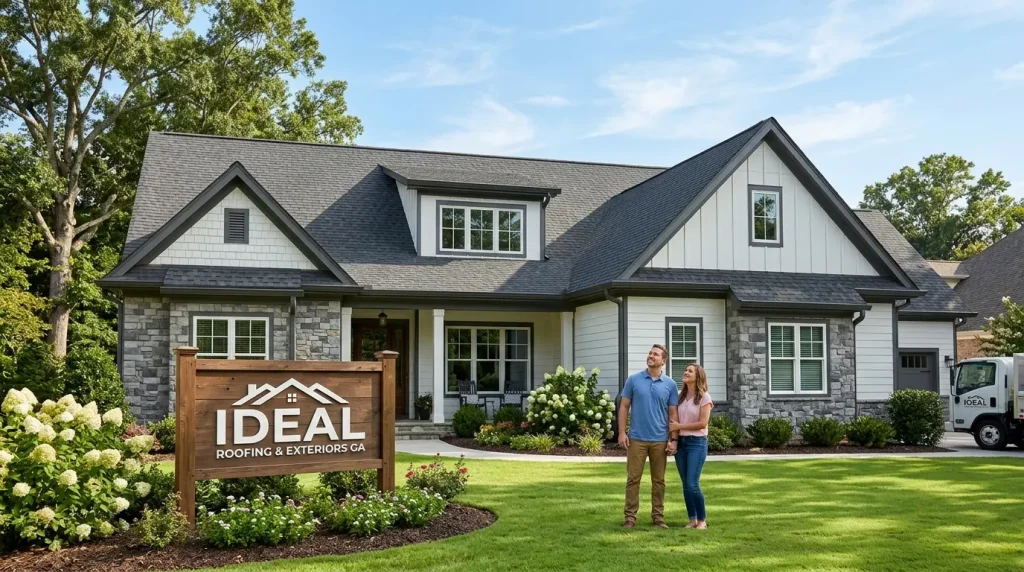
A roof is one of the most important structural components of any home, yet it is often overlooked until a visible problem appears. Small issues such as cracked shingles, clogged gutters, or flashing damage can gradually evolve into expensive repairs if they are not addressed early. For homeowners, understanding the value of preventive roof maintenance can lead to better long-term protection, improved energy efficiency, and fewer unexpected expenses.
Routine maintenance does more than preserve curb appeal. It helps extend the lifespan of roofing materials, supports proper drainage, and reduces the likelihood of interior water damage. Whether a home is newly built or several decades old, a proactive approach to roof care can make a significant difference over time.
Why Roof Problems Often Go Unnoticed
Many roofing issues develop slowly. Unlike plumbing leaks or electrical failures, roof damage may remain hidden for months before signs become visible inside the home. Moisture can enter through minor vulnerabilities and gradually affect insulation, drywall, ceilings, and even structural framing.
Several factors contribute to unnoticed roof deterioration:
- Seasonal temperature fluctuations
- Wind-driven debris
- UV exposure from direct sunlight
- Poor attic ventilation
- Clogged gutters and drainage systems
- Aging roofing materials
Because these issues accumulate gradually, homeowners may not realize there is a problem until repairs become extensive.
The Importance of Seasonal Inspections
Regular inspections are one of the most effective ways to identify roofing concerns early. Seasonal inspections, especially after severe weather, can reveal small problems before they escalate.
During a typical inspection, professionals may look for:
- Missing or damaged shingles
- Signs of moisture intrusion
- Flashing separation around vents or chimneys
- Soft spots or sagging areas
- Granule loss on shingles
- Gutter blockages
- Mold or algae growth
Even newer roofs benefit from periodic evaluations. Environmental conditions can affect roofing systems differently depending on the local climate, nearby trees, and ventilation patterns.
Homeowners who schedule inspections consistently are often able to avoid emergency repairs that result from long-term neglect.
Common Causes of Premature Roof Failure
Many roofs are designed to last for decades, but several preventable issues can shorten their lifespan significantly. Understanding these causes allows homeowners to make informed maintenance decisions.
Poor Ventilation
Improper attic ventilation can trap heat and moisture inside the home. Over time, excessive heat can weaken shingles while moisture buildup may contribute to mold growth and wood rot.
Balanced airflow helps regulate temperature and humidity levels throughout the year, reducing stress on roofing materials.
Water Pooling
Standing water is particularly damaging on low-slope roofing systems. Poor drainage allows moisture to remain in contact with roofing materials for extended periods, increasing the risk of leaks and deterioration.
Keeping gutters clear and ensuring proper drainage can help minimize this issue.
Storm Damage
High winds, hail, and heavy rain can compromise roofing systems even when damage is not immediately visible. Missing shingles, lifted edges, and cracked flashing are common after severe weather events.
Prompt inspections after storms help detect hidden vulnerabilities before they worsen.
Signs That a Roof May Need Attention
Homeowners should pay attention to early warning signs that indicate roofing issues may be developing. Addressing these indicators quickly can help prevent larger structural problems.
Some common signs include:
- Water stains on ceilings or walls
- Curling or cracked shingles
- Rising energy bills
- Sagging roof sections
- Moss or algae growth
- Granules collecting in gutters
- Daylight visible in the attic
Even minor symptoms should not be ignored. Small repairs are generally more manageable and cost-effective than full roof replacements caused by prolonged damage.
How Exterior Maintenance Supports Roof Performance
Roof performance is closely connected to the overall condition of a home’s exterior. Siding, gutters, soffits, and fascia all contribute to proper moisture management and ventilation.
When exterior systems are neglected, roofing components often experience additional stress. For example, clogged gutters may force water beneath shingles, while damaged fascia boards can allow moisture infiltration near the roofline.
Maintaining the entire exterior envelope of a home creates a more reliable barrier against weather-related damage.
Homeowners researching best practices for roof care and exterior maintenance often review resources from companies with experience in long-term property protection, such asIdeal Roofing & Exteriors GA, to better understand how preventive maintenance contributes to home durability.
The Long-Term Financial Benefits of Preventive Care
Many homeowners delay maintenance because they assume it will be expensive. In reality, preventive care is usually far less costly than major repairs or premature roof replacement.
Routine maintenance may help homeowners:
- Extend roof lifespan
- Reduce emergency repair costs
- Improve energy efficiency
- Protect insulation and interior materials
- Maintain property value
- Prevent mold and moisture issues
A well-maintained roof can also improve resale appeal. Potential buyers are often more confident purchasing a property that shows evidence of regular upkeep.
Creating a Simple Roof Maintenance Plan
Homeowners do not need a complicated system to stay proactive. A basic maintenance routine can significantly reduce the likelihood of major roofing problems.
Spring Maintenance
Spring is an ideal time to inspect for winter-related damage. Homeowners should check for:
- Loose shingles
- Debris accumulation
- Gutter blockages
- Flashing separation
Summer Maintenance
Warm weather allows for easier visibility and repairs. Summer is often a good time to address ventilation concerns and inspect attic conditions.
Fall Maintenance
Before colder weather arrives, gutters should be cleaned and trees trimmed to reduce debris buildup.
Winter Awareness
Heavy snow accumulation and ice dams can place additional stress on roofing systems. Monitoring conditions during winter helps identify issues early.
Consistency matters more than complexity. Even simple seasonal checks can help extend the life of roofing materials substantially.
Choosing Quality Over Short-Term Fixes
When repairs are needed, focusing solely on the lowest cost can create problems later. Temporary patches or low-quality materials may fail prematurely, leading to repeated repairs and additional expenses.
Investing in durable materials and proper installation practices often provides better long-term value. Homeowners should prioritize workmanship, communication, and transparency when evaluating roofing services.
A properly maintained roof not only protects the structure itself but also contributes to the overall comfort, safety, and efficiency of the home.
Conclusion
Preventive roof maintenance is one of the smartest investments homeowners can make. Small issues rarely remain small for long, especially when exposed to changing weather conditions throughout the year. Regular inspections, seasonal maintenance, and timely repairs can help extend the life of a roofing system while reducing the risk of costly structural damage.
By staying proactive and paying attention to early warning signs, homeowners can protect both their property and their long-term financial investment. A well-maintained roof supports energy efficiency, improves home value, and provides greater peace of mind through every season.
