
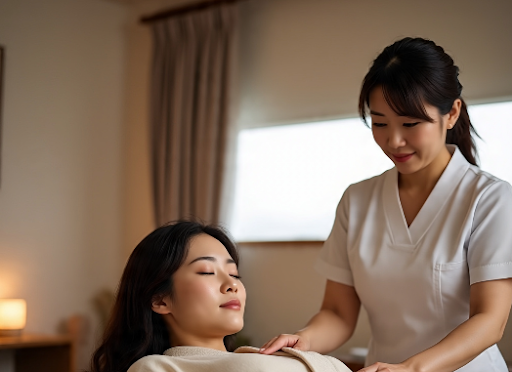
Healthy living has evolved far beyond basic diet and exercise. In today’s world, wellness is understood as a balance of physical strength, mental clarity, emotional stability, and sustainable daily habits. As people become more aware of how lifestyle choices affect long-term health, massage therapy is gaining recognition as a vital component of a healthy life rather than a luxury or occasional indulgence.
Massage therapy is increasingly valued for its ability to support the body’s natural functions, enhance recovery, reduce strain, and promote overall balance. https://www.kakaochuljang.com/hanam Its growing importance reflects a broader shift toward preventative care and holistic well-being in modern society.
A Changing Perspective on Wellness
For many years, health was viewed mainly as the absence of illness. Today, healthy living emphasizes proactive care—maintaining the body and mind before problems arise. This shift has created space for natural therapies that support ongoing wellness rather than treating symptoms after they appear.
Massage therapy fits perfectly within this evolving perspective. It helps people stay physically functional, mentally relaxed, and emotionally grounded. As lifestyles become more demanding and sedentary at the same time, massage is increasingly recognized as a practical solution to modern health challenges.
The Role of Physical Maintenance in Daily Life
Just as vehicles require regular servicing to perform well, the human body also needs maintenance. Daily activities place repeated stress on muscles, joints, and connective tissues. Over time, this stress can lead to stiffness, discomfort, and reduced mobility.
Massage therapy plays an essential role in physical maintenance by keeping muscles supple and joints moving freely. Regular sessions help prevent the buildup of tension that can restrict movement and lead to long-term problems. This preventative aspect makes massage therapy a cornerstone of healthy living rather than a reactive treatment.
Supporting Musculoskeletal Health Naturally
Musculoskeletal issues are among the most common health concerns today, often caused by poor posture, prolonged sitting, repetitive tasks, and lack of movement variety. Massage therapy supports musculoskeletal health by addressing these issues at the soft tissue level.
Through skilled techniques, massage helps lengthen tight muscles, improve tissue elasticity, and reduce strain on joints. This support allows the body to move more efficiently and comfortably, contributing to better posture and reduced physical stress in everyday activities.
Enhancing Circulation and Body Efficiency
Healthy living depends on efficient circulation, which delivers oxygen and nutrients to tissues while removing waste products. Poor circulation can contribute to fatigue, muscle discomfort, and slower recovery.
Massage therapy enhances circulation by stimulating blood and lymph flow throughout the body. Improved circulation supports cellular health, boosts energy levels, and helps the body function more efficiently. This internal support system plays a significant role in maintaining overall vitality.
Encouraging Mental Clarity and Focus
Mental health is an integral part of healthy living, yet it is often compromised by constant stimulation and pressure. Stress, mental fatigue, and lack of focus are common challenges in modern life.
Massage therapy creates a mental reset by calming the nervous system and reducing mental clutter. The quiet, focused environment of a massage session allows the mind to slow down, improving clarity and concentration. This mental refresh supports better decision-making and emotional balance in daily life.
Reducing the Impact of Chronic Stress
Chronic stress has become one of the biggest threats to health, contributing to a wide range of physical and emotional issues. When stress becomes constant, it disrupts sleep, weakens immunity, and strains the body’s systems.
Massage therapy helps counteract chronic stress by encouraging relaxation responses in the body. It reduces tension, promotes calm breathing, and helps regulate stress-related hormones. This stress-reducing effect makes massage therapy an essential tool for maintaining health in high-pressure environments.
Supporting Restful Sleep Patterns
Quality sleep is foundational to healthy living, yet many people struggle to achieve it. Physical tension, mental stress, and irregular routines often interfere with restful sleep.
Massage therapy supports better sleep by preparing the body for rest. Relaxed muscles, slower breathing, and a calm nervous system make it easier to fall asleep and stay asleep. Improved sleep quality enhances energy, mood, and physical resilience, reinforcing the benefits of a healthy lifestyle.
Aiding Recovery in Active Lifestyles
As more people adopt active lifestyles through exercise, sports, and outdoor activities, recovery has become a critical aspect of health. Without proper recovery, physical activity can lead to overuse injuries and burnout.
Massage therapy supports recovery by easing muscle soreness, improving flexibility, and restoring balance after exertion. This makes it easier for individuals to stay active consistently, which is essential for long-term health and fitness.
Promoting Mind-Body Connection
Healthy living is not just about physical health—it involves understanding and responding to the body’s signals. Many people become disconnected from their bodies due to busy schedules and constant distractions.
Massage therapy strengthens the mind-body connection by encouraging awareness of physical sensations. This awareness helps individuals recognize tension, fatigue, or imbalance early, allowing them to take corrective action before problems develop.
Encouraging Preventative Health Practices
Preventative care is becoming a key focus in modern healthcare. Rather than waiting for illness or injury, people are seeking ways to maintain health proactively.
Massage therapy supports preventative health by reducing strain, improving circulation, and maintaining flexibility. Regular massage sessions can help prevent common issues such as muscle imbalances, stress-related discomfort, and mobility limitations, making it a valuable part of a preventative wellness routine.
Accessibility and Integration into Daily Life
Massage therapy is becoming more accessible as wellness centers, clinics, and workplaces recognize its benefits. It is increasingly integrated into health programs, corporate wellness initiatives, and rehabilitation plans.
This accessibility reflects a growing understanding that massage therapy is not an occasional luxury but a practical health tool. 경기광주 후불출장마사지 As awareness increases, more people are incorporating massage into their regular routines to support balanced living.
Long-Term Benefits for Overall Well-Being
The true importance of massage therapy lies in its long-term impact on health. Over time, regular massage supports better movement, reduced stress, improved sleep, and enhanced emotional well-being.
These cumulative benefits contribute to a higher quality of life. People who include massage therapy in their healthy living practices often report feeling more balanced, resilient, and in control of their health.
Conclusion
The growing importance of massage therapy in healthy living reflects a broader shift toward holistic and preventative wellness. As modern lifestyles place increasing demands on the body and mind, massage therapy offers a natural, effective way to maintain balance, support recovery, and promote overall well-being.
By addressing physical tension, mental stress, and lifestyle-related strain, massage therapy has earned its place as a key component of healthy living. Incorporating massage into regular self-care routines is not only a step toward relaxation—it is an investment in long-term health, vitality, and balance.
