
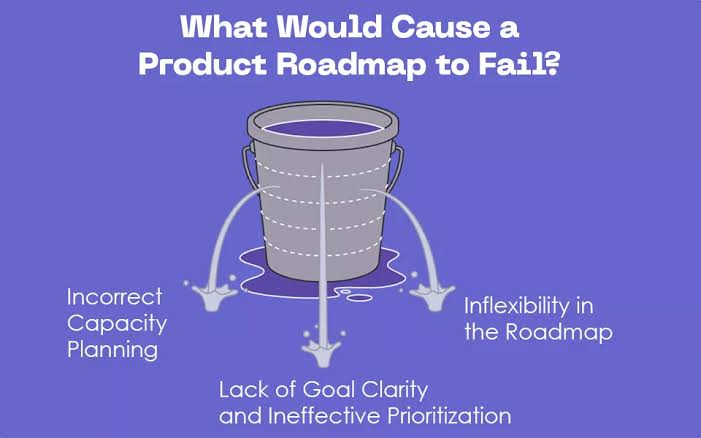
Plans help when actions change a result. A team can reduce missed deadlines by defining owners, milestones, and review points. A traveler can reduce risk by checking routes and weather. A person facing a random-outcome game cannot schedule a win by putting “win” on a timeline. That sounds obvious, yet many gaming guides borrow the language of strategy, discipline, and optimization in ways that make a chance event look manageable. A planning-minded publication can offer a better distinction: plan the boundary, not the outcome.
Define what is controllable
A person can decide whether to play where it is lawful, how much discretionary money to set aside, how long to spend, and when to stop. They can read rules, review account statements, and use available limits. These are real decisions. They influence exposure and understanding, not the next random result. A useful plan puts those decisions in writing before the emotionally charged part of the experience begins.
The uncontrollable part is the precise sequence of outcomes. The UK Gambling Commission’s technical standards require acceptably random outcomes for regulated remote games. A player cannot infer a scheduled payout simply from a string of earlier losses. A plan that depends on “the game must change soon” has mistaken a feeling for a mechanism.
Why escalation plans fail as safety plans
A common “roadmap” proposes increasing a stake after each loss, hoping that one later win will recover the earlier spending. The arithmetic becomes dangerous because the amount at risk rises while the sought-after outcome remains uncertain. Even if a person stops after a win, a long losing run can exceed the budget or a platform limit. Calling the sequence disciplined does not make it affordable.
The problem is not that the person failed to execute the plan perfectly. The problem is that the plan embeds an unproved assumption: a win will arrive before available resources run out, at a payout large enough to cover the escalation. Without that guarantee, the roadmap is a mechanism for increasing exposure. A genuine safety plan has a maximum loss that never moves upward to chase an earlier loss.
Make a stop rule before starting
A stop rule should be unambiguous enough to follow when someone is disappointed or excited. It can specify a time, a fixed spending amount, or both. The chosen amount should come only from leisure money after essentials, savings commitments, and debt payments are covered. The rule should prohibit replacing the spent amount during the same period. If a person is uncomfortable with losing the entire allowance, the allowance is too high.
An external reminder can help: a timer, account-level limit, or trusted person who knows the boundary. The tool is not magic. It works because it reduces the number of decisions made in the heat of a session. If limits are repeatedly overridden, the next plan may need to be a break from gambling and support rather than a more elaborate staking formula.
Search labels are not a route map
A phrase like agen slot may arrive in a content brief with a destination link. It does not establish that the destination is an authorized agent or that any route to a favorable result exists. Inspect the page itself. If it is unrelated to gameplay, do not treat it as evidence for a strategy. The useful lesson for planners is broader: a label on a map is not confirmation that the road underneath exists.
The phrase raja slot might appear alongside another promotional path. It still cannot certify a plan, a platform, or a personal outcome. A careful article can include the exact term while refusing to assign it more meaning than the verified destination supports. This is not a technicality; it is how a reader avoids building a decision on an unsupported premise.
Use a pre-mortem
A pre-mortem asks what could go wrong before the event. In this context, possible failures include spending beyond the limit, confusing a partial payout with profit, trusting an unrelated link, or playing to recover losses. For each risk, choose one prevention step: separate the leisure budget, track net transfers, verify destinations, and take a break after the fixed boundary. These responses do not alter probability, but they can protect money and attention.
A second pre-mortem question is emotional: what might make the boundary hard to respect? Boredom, stress, a recent win, or a desire to erase a loss can each change behavior. Naming the trigger ahead of time is more useful than pretending that a perfectly rational future self will always be present. The NHS identifies chasing losses and borrowing as warning signs of gambling-related harm. If those patterns appear, seek appropriate local support.
Review outcomes honestly
After a session or month, compare the amount deposited, withdrawn, and left in the account. Count time as well as money. A highlighted payout is not the same as a positive net result. A plan should be judged by whether it held the agreed boundary, not by whether a random favorable event happened. Otherwise chance rewards a poor process and punishes a sensible one.
This is the same distinction that good project managers make between process quality and one lucky delivery. A team may meet a deadline despite chaotic work, but that does not validate the chaos. A player may see an isolated win after breaking a budget, but that does not validate the breach. Review the controllable choices separately from the outcome.
When the plan should change
The plan should change when evidence shows the boundary is not working: repeated overrides, concealed spending, borrowed funds, or distress. It should not change merely because a win seems “close.” The appropriate change may be stronger payment blocks, self-exclusion where available, a conversation with someone trusted, or professional help. The goal is to protect life outside the game, not to find a cleverer sequence of stakes.
A roadmap can be valuable when it maps decisions a person actually controls. It becomes misleading when it pretends to direct chance. The strongest plan here is deliberately modest: verify facts, limit exposure, stop on time, and recognize when support is needed.
There is also a useful difference between a plan and a prediction. “I will leave after thirty minutes” is a rule for personal conduct. “The next thirty minutes will be favorable” is a claim about the external world. Put each proposed step into one of those categories. If a guide quietly shifts from conduct to prediction, ask where the evidence for that prediction comes from. If the answer is a chart of previous spins, remember that the chart records history, not a causal model. This classification is simple enough to use in the moment and strong enough to expose much of the misleading language that surrounds so-called winning systems.
Frequently asked questions
Can a disciplined staking system overcome random outcomes?
Discipline can limit spending if it enforces a hard cap. It cannot by itself make the next random outcome predictable or guarantee a positive return.
Does a loss streak mean the plan is about to work?
No. A streak does not establish that a reversal is due in a game with independent random outcomes.
What should I measure after play?
Measure total deposits, withdrawals, remaining balance, time spent, and whether you honored the pre-set boundary.
