
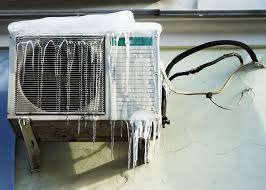
If you’ve noticed your air conditioner not cooling like it should, or even worse, a thick layer of ice on the coils, you might be wondering whether it’s safe to keep using it. The short answer? Probably not. But let’s take a closer look at what’s happening and why it matters. A frozen AC unit isn’t just an inconvenience–it can lead to more serious damage if you don’t address it. So, before you press that power button, it’s worth understanding the potential risks and steps to get things back on track. First off, why does your AC freeze in the first place? It’s not a normal situation, but it can happen for various reasons. Sometimes it’s because of poor airflow, low refrigerant, or even a dirty filter. In some cases, a frozen AC unit can cause the compressor to overheat, which could lead to a pricey repair or even a full breakdown. So, should you keep using the system? Not always, but there are steps you can take to assess the situation carefully. In the following sections, we’ll explore the immediate consequences of using an AC that’s iced over, as well as the safest ways to handle the situation. You’ll also find some tips to prevent it from happening again. After all, a little bit of maintenance can save you a lot of headaches in the long run.
Should You Use Your AC While It’s Covered in Ice?
If your air conditioner is iced up, it might be tempting to continue using it, especially during hot weather. But running a system in this condition isn’t a good idea. The build-up of ice blocks the airflow, which leads to poor cooling performance and can cause long-term damage. Even though you might be thinking about toughing it out, it’s worth understanding why it’s better to turn it off and deal with the problem before it worsens. First, it’s important to understand why your AC is getting iced over. Typically, this happens when the airflow is restricted, such as when filters are clogged, or the refrigerant levels are low. When air can’t flow properly over the evaporator coil, it causes the temperature to drop, and ice begins to form. This ice not only makes the unit less effective but can lead to a serious mechanical failure if ignored. If you leave your AC running while it’s covered in ice, you risk causing even more problems. The compressor, a critical part of your system, could overheat, leading to potential breakdowns and costly repairs. The ice buildup may also damage the internal components, making the situation worse. So, while you may be able to keep the system running for a short while, the long-term damage far outweighs any temporary relief. Instead of pushing your AC through this, the best course of action is to shut it off. Let the ice melt by leaving the unit off for several hours. This will allow the system to return to normal. If the ice doesn’t melt quickly or the issue keeps recurring, you might need to check the air filter or have the refrigerant levels inspected by a professional. Preventing ice buildup in the future is possible with regular maintenance. Change filters often, keep the coils clean, and schedule a professional tune-up once a year. Taking these simple steps can save you from facing this situation again, ensuring that your air conditioner works smoothly when you need it most.
Why Is My AC Covered in Ice?
If your air conditioner is iced up, it’s likely a sign that something isn’t working as it should. The most common reason for this is poor airflow. If the system can’t move air properly through the coils, the temperature drops, and ice forms. But airflow isn’t the only factor to consider. Several issues can lead to a buildup of ice, and each requires a different approach to fix it. One of the main causes is a dirty air filter. When the filter is clogged with dust and debris, it reduces airflow. This can cause the evaporator coil to become too cold, leading to ice formation. It’s an easy fix–just replace the filter. If the filter is fine, though, other causes may be at play. Another common culprit is low refrigerant levels. Refrigerant is responsible for absorbing heat and cooling the air in the system. When there’s not enough refrigerant, the evaporator coil can freeze up. Low refrigerant may indicate a leak, which means you’ll need to call in a professional to inspect and recharge the system. Sometimes, the problem stems from dirty coils. If the evaporator coils become coated with dirt or grime, it restricts the heat transfer process, causing the coils to freeze. Regular cleaning is essential to avoid this issue. It’s a simple maintenance task that can prevent bigger problems down the road. A more serious cause of ice buildup could be an issue with the blower fan. If the fan isn’t working properly, it won’t push air across the evaporator coils effectively, which can lead to freezing. If you suspect this, it’s a good idea to have the system checked by a professional technician who can repair or replace the fan as needed. One other possibility is that the system is simply oversized. If the AC unit is too large for the space it’s cooling, it may not run long enough to remove enough moisture from the air. This can cause the evaporator coil to freeze. A professional may need to assess your system’s size and recommend a different unit if necessary. To avoid these issues in the future, regular maintenance is key. Checking filters, cleaning coils, and keeping an eye on refrigerant levels can go a long way in keeping your AC running smoothly and preventing ice buildup. If you’re not sure what the problem is, don’t hesitate to contact a professional for an inspection.
What Happens If I Use My AC While Covered in Ice?

If you attempt to use an air conditioning system that’s covered in ice, you may run into more issues than just poor cooling. The formation of ice on your AC’s coils is a signal that something is wrong. The longer you leave the system running, the more likely you are to cause serious damage to your unit. When ice builds up on the evaporator coils, the unit struggles to circulate air properly. The lack of airflow leads to less efficient cooling, meaning you’re not getting the cold air you expect. While you might notice it running, the system is essentially working against itself, making it much less effective at its job. As you continue using the air conditioner, the ice may eventually cause the compressor to overheat. The compressor is one of the most important components of the system, and an overheated compressor can result in a complete breakdown. This type of damage could be expensive to repair or replace, far more costly than addressing the ice buildup early on. Another potential issue with using a system covered in ice is the increased strain on the blower fan. The fan is responsible for circulating the cool air throughout the space. If the evaporator coil is covered in ice, the fan might have to work harder, which could lead to its eventual failure. A broken blower fan can be another costly repair you could avoid by shutting the system down at the first sign of ice. There’s also the risk of the ice spreading to other parts of the unit. If the problem isn’t addressed, the ice could damage other components, such as the condenser or the ducts. Over time, this can cause the entire system to deteriorate, leading to a less reliable and more expensive unit to maintain. Even if you think the AC might still cool your home, it’s better to let the ice melt and take care of the underlying problem. Running the system while iced over might seem like a quick fix, but it’s only a temporary solution. The longer you ignore the issue, the worse it can become. So, turning the AC off and allowing the ice to melt can prevent further damage. If you’re unsure of how to proceed, it’s best to call a technician. They can assess the unit, determine the cause of the ice buildup, and provide the necessary repairs. Ignoring the problem could lead to more serious consequences down the road, and waiting too long might mean you’re dealing with a much larger and more costly repair. In the end, the risks far outweigh any temporary comfort you might get from continuing to use a frozen air conditioner. A little bit of preventative maintenance and attention to the system can save you from expensive repairs and a broken AC down the line. Regular cleaning, checking refrigerant levels, and changing filters are small tasks that go a long way in keeping your system in top shape.
Calgary Air Heating and Cooling Ltd Contact Information:
Address
95 Beaconsfield Rise NW, Calgary, AB T3K 1X3
Phone
+1 403 720-0003
Website
Hours of operation
Open 24 hours 7 days a week
Map
Get DirectionsF.A.Q.
What should I do if my air conditioner is iced up?
If your AC is covered in ice, the first step is to switch it off. Allow the ice to melt naturally, as running the system while frozen can cause further damage. After the ice has melted, check the air filter and refrigerant levels. A clogged filter or low refrigerant are common causes of this issue. If the problem continues, it’s a good idea to call a technician to inspect your system and fix any underlying issues.
Why does my AC freeze up in the first place?
There are a few reasons why an air conditioner may freeze. The most common causes include restricted airflow, low refrigerant, or dirty coils. A clogged air filter can block airflow, causing the evaporator coil to become too cold and freeze. Low refrigerant levels can cause the coils to malfunction as well. Lastly, dirty evaporator coils can prevent proper heat transfer, resulting in ice buildup. Regular maintenance is key to preventing these issues.
Is it okay to leave the AC running if there’s ice on the coils?
Leaving your AC running while it’s frozen is not recommended. The system won’t cool efficiently, and the ice could damage the compressor or blower fan. The longer you run the AC, the more strain it puts on these components, potentially causing expensive repairs. It’s best to turn the unit off and allow the ice to melt before using it again.
How long does it take for the ice to melt on my AC coils?
The time it takes for the ice to melt depends on the amount of ice and the temperature of your home. Typically, it can take anywhere from 2 to 8 hours for the ice to melt naturally. You should not try to speed up the process with heat sources like hairdryers or hot water, as this can damage the unit. Once the ice is gone, make sure to inspect the filter and coils before turning the AC back on.
What could happen if I ignore the ice buildup on my air conditioner?
If you ignore ice buildup, the problem can worsen over time. The ice can cause the evaporator coil to freeze solid, preventing airflow and reducing the AC’s cooling ability. This can lead to overheating of the compressor, which may burn out and require expensive repairs or replacement. Additionally, the ice may damage the blower fan, resulting in further issues. Addressing the problem early can save you from costly repairs and prolong the lifespan of your AC system.
Is it safe to keep using my AC when it’s covered in ice?
It’s not advisable to continue using your air conditioner when it’s iced over. Running the system in this state can cause significant damage, especially to the compressor. The ice restricts airflow, making it harder for the AC to cool efficiently. Over time, this puts extra strain on the system, and it could result in more serious issues like an overheated compressor, a malfunctioning fan, or even a full breakdown. It’s best to turn off the system, let the ice melt, and inspect the unit before restarting it.
