
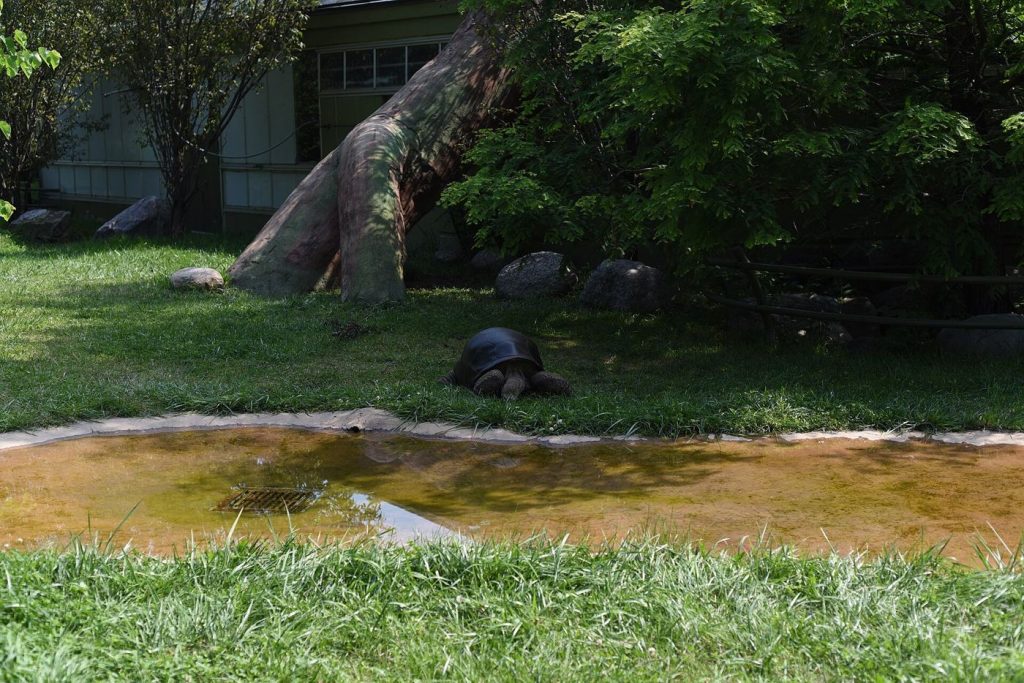
At an astonishing 194 years old, Jonathan the giant tortoise is the world’s oldest living land animal, and scientists may have finally uncovered the secrets behind his extraordinary lifespan. The findings were reported on 22 November 2026. Jonathan lives on the island of Saint Helena in the South Atlantic, where he hatched around 1832, before the invention of the telephone or the light bulb. He has outlived every other known land animal, surviving on a diet of grass, leaves and vegetables, and he remains active despite being blind and having lost his sense of smell. His keepers say he still enjoys walks around the garden and the attention of visitors who come to see him.
What the Evidence Shows
Researchers studying Jonathan and other long-lived tortoises have found clues in their genes and their slow, steady biology. Giant tortoises burn energy slowly, repair their cells efficiently and show little sign of the ageing that wears down most animals. Their immune systems stay strong for decades, and their cells resist the damage that leads to cancer and disease. Scientists hope that understanding how tortoises age so slowly could point to new ways of keeping human bodies healthier for longer. For now, Jonathan continues to graze in the grounds of the governor’s residence, a living link to the nineteenth century. Jonathan’s story has made him a celebrity, with visitors travelling from around the world to meet him. Reporting and analysis from sources such as Nature track the same developments, and specialists following Jonathan the giant tortoise say the direction is now consistent across independent lines of evidence.
The Wider Context
The wider context is a research landscape in which replication and open data now decide reputations. Findings connected to Jonathan the giant tortoise are being checked by independent groups with shared datasets, and the teams involved publish their methods in full so rivals can test every step. That discipline is slower than a headline cycle, but it is why results in this area increasingly survive first contact with scrutiny.
What Happens Next
What happens next in the story of Jonathan the giant tortoise will be decided by follow-up work already under way: larger samples, longer observation and instruments that have not yet come online. The researchers involved are unusually united on one point, that the current results justify the next investment of time and money. Readers will not have to wait long for the first tests of that claim. You can follow related developments in our coverage of science.
None of this will be settled by a single announcement, study or product launch. The pattern to watch is accumulation: independent confirmations, honest reporting of failures and steady improvement in the underlying numbers. Readers who follow those signals, rather than the loudest claim of the week, will understand this subject better than most of the commentary surrounding it suggests is possible.
